

|
Keynote Speakers 2026We are thrilled to welcome this year's keynote speakers! 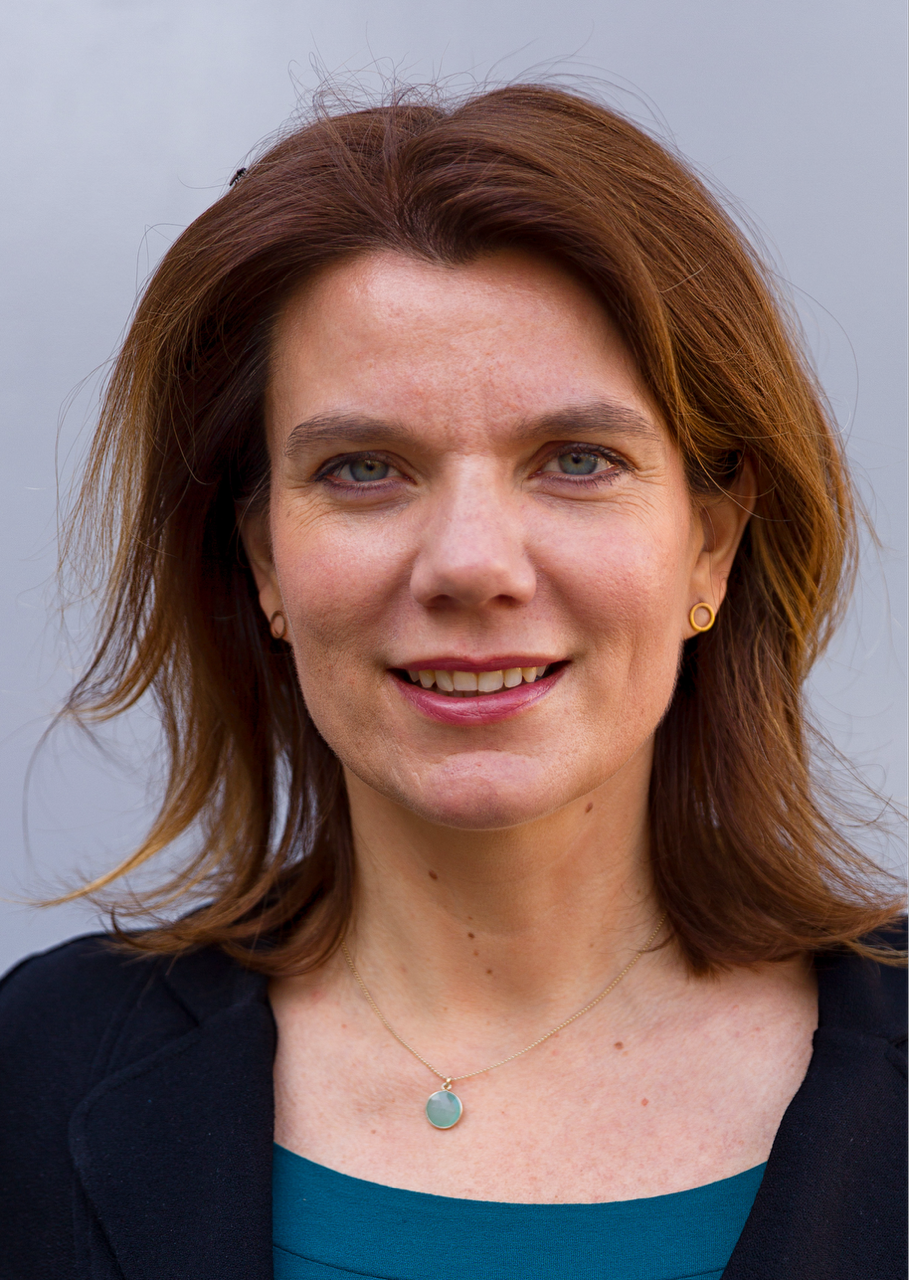
Karin RoelofsDonders institute for Brain, Cognition and BehaviourRadboud University nijmegen
Thursday, September 3 | 9:00
Heart-brain interactions and decision making under threat
Abstract
Psychological science has long assumed that automatic defensive reactions —central to animal behaviour— play only a limited role in human decision-making. However, converging evidence suggests that parasympathetic defensive states, such as freezing-related bradycardia, play a key role in shaping approach–avoidance decisions under acute threat. Understanding these mechanisms is particularly important for anxiety disorders, where persistent avoidance maintains pathology. In this presentation, I provide examples of how freezing-related cardiac states influence action selection in threatening contexts. For instance, using high-precision magnetoencephalography (MEG), we decoded neural representations of threat and reward during approach–avoidance decision-making. Freezing-related bradycardia was associated with (1) more precise neural representations of threat and reward value and (2) a stronger influence of these representations on choice behaviour. Moreover, prospective longitudinal data indicate that individual differences in freezing and parasympathetic states (threat-bradycardia and HRV) predict the development of anxiety symptoms. Together, these findings point to an account, in which threat-induced freezing is linked to enhanced integration of neural information, supporting adaptive decision-making under threat while increasing vulnerability to anxiety when dysregulated. Building on these insights, we developed a VR-based biofeedback training that teaches individuals to maintain a parasympathetic state while making decisions under threat. This closed-loop intervention increases parasympathetic control and improves decision-making, with benefits that extend beyond the VR training environment. 
Björn SchullerTUM University HospitalImperial College London
Thursday, September 3 | 14:00
Stress Rewired: How AI Learns to Sense, Understand, and Respond
Abstract
Stress is not a single signal, but a dynamic process that unfolds across physiology, behaviour, cognition, emotion, and social context. Yet, much of today’s digital assessment still reduces it to isolated biomarkers, snapshots, or retrospective self-report. Artificial intelligence is beginning to change this by integrating multimodal signals from voice, facial behaviour, language, physiology, movement, and everyday human–technology interaction. This keynote explores how the fields of Affective Computing and modern AI are reshaping the way stress can be sensed, modelled, and addressed. In Digital Mental Health, such systems may enable earlier detection, continuous monitoring, personalised prevention, and interventions that adapt to a person’s changing state. But sensing stress is only the first step. Increasingly, AI systems are designed to interpret distress and respond in emotionally appropriate, seemingly empathic ways. This raises the prospect of artificial empathy: systems that recognise another person’s emotional state and generate responses intended to support, reassure, or guide. At the same time, the emerging concept of artificial emotion asks whether emotion-like mechanisms could become functional components of intelligent systems themselves, helping them prioritise, adapt, regulate, and interact more authentically and safely. These developments create major opportunities, but also profound risks. Stress-aware AI may improve access, personalisation, and scalability, yet it may also misread context, reinforce bias, encourage overreliance, or simulate care without genuine understanding. The keynote will therefore argue for a new generation of stress intelligence: multimodal, longitudinal, psychobiologically informed, clinically validated, and designed to strengthen rather than replace human care. 
Michèle WessaCentral Institute of Mental Health MannheimGerman Cancer Research Center (DKFZ) Heidelberg
Friday, September 4 | 14:00
Resilience to Stress: From Translational Research to Innovative Intervention
Abstract
Why do some individuals remain mentally healthy despite experiencing significant stress, while others develop stress-related disorders? Addressing this question requires a deeper understanding of the neuropsychological mechanisms underlying resilience. This keynote will present findings from translational neuropsychological and observational research, with a particular focus on emotion regulation and the role of perceived control over stress as core resilience mechanism. Experimental studies investigating the neural, behavioral and cognitive processes that promote these mechanisms will be discussed alongside evidence from longitudinal observational research demonstrating their relevance for mental health outcomes over time. Building on these findings, the lecture will illustrate how mechanistic insights can be translated into innovative resilience interventions. By bridging basic research, longitudinal evidence, and novel intervention approaches, the presentation highlights how translational resilience research can contribute to the development of more effective prevention and treatment strategies for stress-related mental disorders. 
Steve ColeDavid Geffen School of MedicineUniversity of California, Los Angeles (UCLA)
Saturday, September 5 | 14:45
Genes in motion: molecular self-awareness
Abstract
Human social genomics maps the biological pathways through which our social, psychological, and cultural environments “get under the skin” to influence human genome function —shaping health, resilience, and the pace of aging. This research has revealed a deeply embedded network of neural and endocrine signaling pathways through which social relationships, purpose, stress, and meaning can affect genome function throughout the body, offering new insights into what it means to truly thrive. These discoveries provide a fresh perspective on “the good life” – grounded not just in philosophy and culture, but also in personal biology and human evolution. In a dawning era of genomic self-awareness, a powerful message has emerged: our everyday choices and lived experience can be consciously shaped to support molecular well-being, promoting healthier aging and greater vitality across the lifespan. |
International Society of Psychoneuroendocrinology
International Society of Psychoneuroendocrinology
© Copyright 2024 ISPNE. All rights reserved.